A formation journey with The 2045 Project
Alchemizing
Whiteness
A pilgrimage into the stories, systems, and inherited patterns that shape how we move through the world—and an invitation to practice another way.
This process will change your life. You enter knowing there is no going back.
Once we begin to see the stories, systems, and inherited patterns that have shaped us, we cannot unknow them. The question becomes: What will we do with what we now see?
Crossing the threshold
This work is a journey, not a destination.
Pilgrimage is more than travel. It is an intentional journey of learning, reflection, and encounter—one that invites us to pay attention to place, listen to stories, and notice what happens in our bodies and relationships.
This pilgrimage is an invitation to bring your whole self: your questions, your resistance, your grief, your history, and your hope.
Together, we engage the unseen dimensions of colonial consciousness and practice new ways of being in relationship—with ourselves, one another, and the world we share.
You will not be asked to perform certainty. You will be invited to participate honestly, honor your own capacity, and carry the work forward long after the journey ends.
Place is not backdrop. Place is curriculum.
Why pilgrimage?
We cannot think our way into a different world.
The systems we inherit do more than shape policies and institutions. They shape what feels normal, whose knowledge counts, what our bodies perceive as danger, and the stories we tell about ourselves and others.
Pilgrimage invites us to encounter these patterns in place and in community. It creates space to listen, reflect, practice, and return home with deeper questions—and a responsibility to live differently.
Elements of The 2045 Project’s formation approach
- 01
Storytelling
Listening to the stories that shape us and the stories we have been taught to overlook.
- 02
Re-memory
Encountering history as something that continues to live in places, bodies, and communities.
- 03
People
Learning in relationship, with space for honesty, connection, and shared witness.
- 04
Ritual
Making room for reflection, grief, release, and meaning.
- 05
Neighboring
Practicing mutuality and accountability to the communities and places we encounter.
Each pilgrimage is shaped by its place and people; these elements describe the approach, not a fixed itinerary.
The S.E.E.N.A. Model
A five-dimensional wound needs a five-dimensional map.
The S.E.E.N.A. Model helps us recognize five interconnected arenas where colonial consciousness can take root—and where we can begin to notice, interrupt, and practice something different.
These arenas are often unseen, but they shape how we experience ourselves, one another, and the world.
Here, whiteness is not simply skin color. It names a system of power and a mode of consciousness that shapes what is considered normal, valuable, safe, and human. Colonial consciousness can shape people across racial identities, while its harms and responsibilities land differently. Any “diagnosis” in this work is a metaphor for recognizing patterns—not a medical or clinical claim.
Somatic
How we move.
Colonial consciousness can take up residence in the body: in tension, shallow breath, guardedness, and patterns of response we may not immediately notice. This arena invites us to listen to the body as part of the work of liberation.
ReflectionWhat does my body do before I have found words for what I am feeling?
Epistemological
How we see and know.
The categories, standards of evidence, definitions of rigor, and measures of success we inherit are not neutral. This arena asks us to examine how we were trained to know—and whose knowledge and interests those habits serve.
ReflectionWhose knowledge have I been taught to trust, and whose have I overlooked?
Existential
What we fear or avoid.
Colonial consciousness shapes fundamental questions about identity, belonging, meaning, and whose life is recognized as fully human. This arena invites us to examine the fears and assumptions beneath our defenses and relationships.
ReflectionWhat am I afraid I might lose if the world I inherited changes?
Neuroscientific
What fires first.
Repeated experiences and cultural messages can shape habits of attention and response. This arena invites us to notice automatic reactions, interrupt familiar patterns, and practice more intentional ways of responding over time.
ReflectionWhat reaction arrives before I have had a chance to question it?
Ancestral
What we’ve inherited.
None of us invented the world we were born into; we received it—in stories, silences, institutions, and bodies. This arena asks us to reckon with what has been passed down and consider what repair requires of us now.
ReflectionWhat have I inherited, and what do I want to pass on differently?
These arenas are connected. No single practice, workshop, or policy can carry the whole work of transformation.
Sign Up for Pilgrimage
Interactive reflection
Begin with what you notice.
Choose an arena and sit with its question. Reflection is optional—you may pause or step away at any time. Nothing here is scored, ranked, or labeled.
Somatic
What does my body do before I have found words for what I am feeling?
- · Which arena feels most familiar to you?
- · Which offers a new consideration?
- · What story or experience helps you understand it?
From awareness to practice
Alchemizing is a practice, not a performance.
To alchemize is to engage what we have inherited without pretending it is harmless or inevitable. This work asks us to tell the truth, interrupt habit, make room for grief and accountability, and practice relationships and structures that support collective flourishing.
- 1
Notice
Identify the patterns, stories, and assumptions at work.
- 2
Interrupt
Pause, question, and make space for another response.
- 3
Practice
Build new habits, relationships, and systems with accountability.
These steps are an introductory invitation—not the entire model, and not a substitute for facilitated work in community.
In deep partnership with Project 2045
A world where we all flourish together.
Project 2045 is a constructive platform that equips white U.S. Americans to engage the 2045 demographic shift with integrity, courage, and responsibility—as we move toward a future where no single racial group holds the majority. Alchemizing Whiteness unfolds in deep partnership with that work.
Integrity
We tell the truth about history, identity, and power—aligning what we say with how we live and learn.
Courage
We face the discomfort and cost of this work with honesty and resolve, trusting that growth requires risk.
Responsibility
We take ownership of our own racial formation and learning, rather than depending on others to do that work for us.
Repair
Repair is the heart of justice. We incur the cost of investing in healing relationships and systems because we have benefited from them.
Humility
We listen first, center those most impacted by injustice, and take a secondary and supportive posture in spaces of equity and repair.
Learning
We are committed to ongoing formation—unlearning the myths and practices that divide us.
Who this journey is for
For those willing to see—and willing to change.
This pilgrimage is for people seeking to examine the systems and stories they have inherited and to participate more consciously in the work of repair and collective flourishing. Participants arrive with different histories, roles, and responsibilities in relation to whiteness and colonialism—and the work honors those differences.
It may speak to
- Individuals seeking a deeper, embodied practice of racial reflection and responsibility
- Faith leaders and spiritual communities examining theology, power, and belonging
- Educators, artists, facilitators, and wellness practitioners
- Organizational leaders and teams seeking change that reaches beyond statements and policies
The team
Who walks with you.
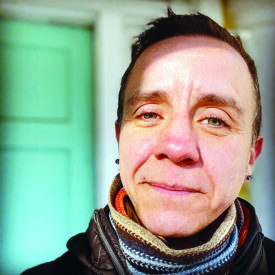
Jess
Lead Facilitator
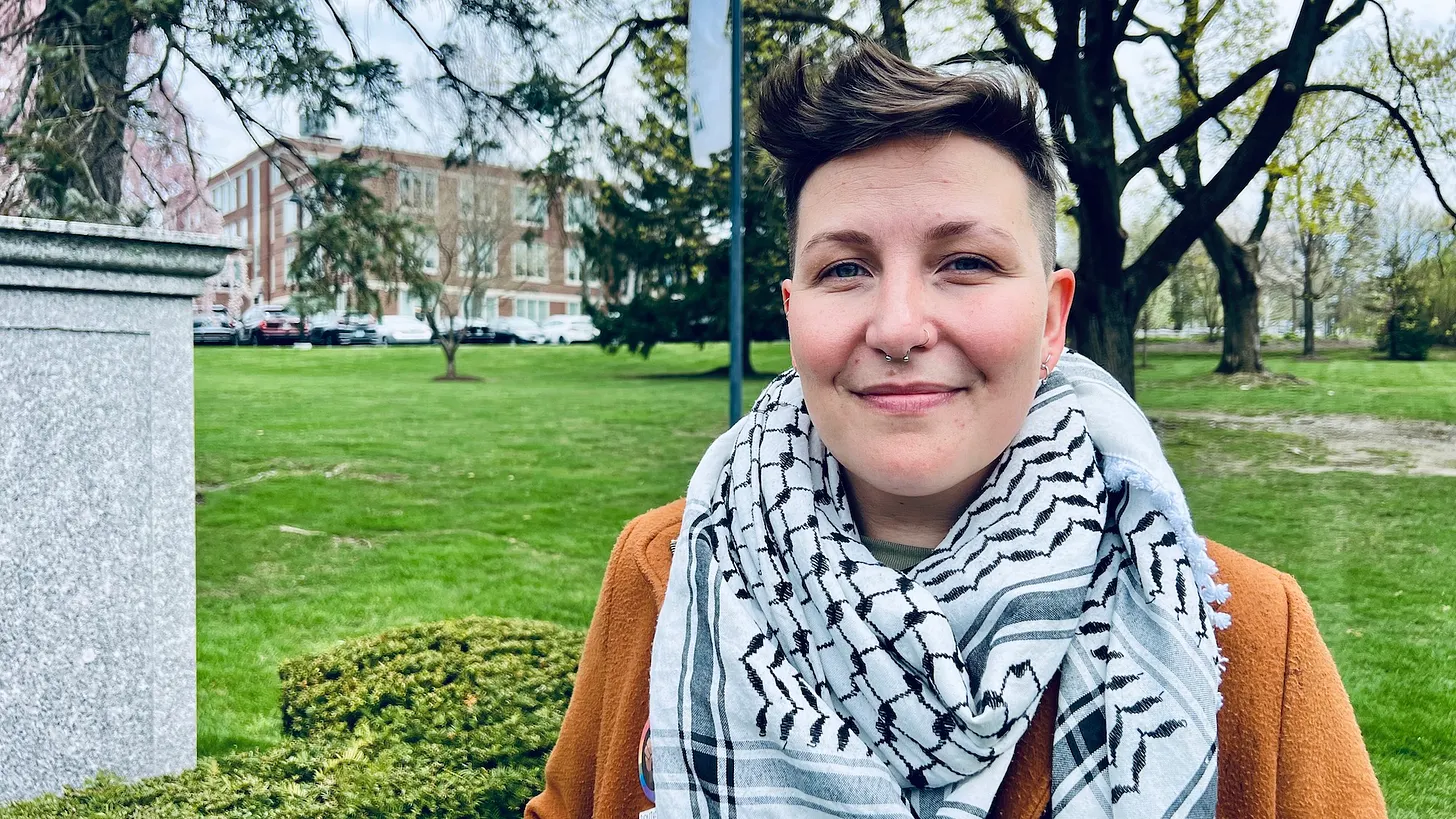
Èowyn
Lead Facilitator

Jess B.
Lead Facilitator and Founder of Project 2045
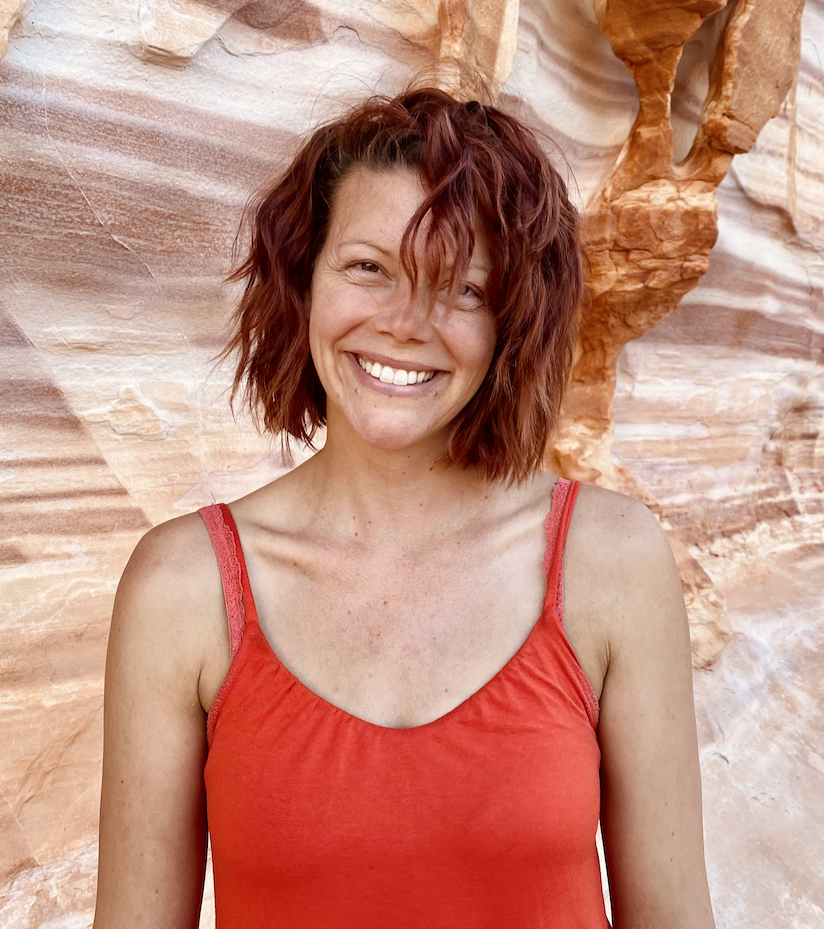
Jenny
Consultant
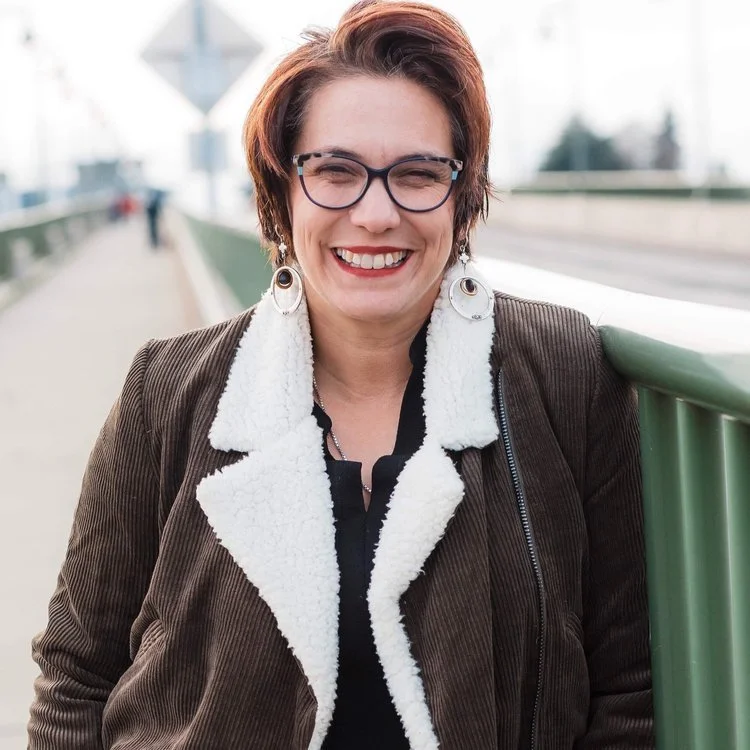
Danielle
Consultant
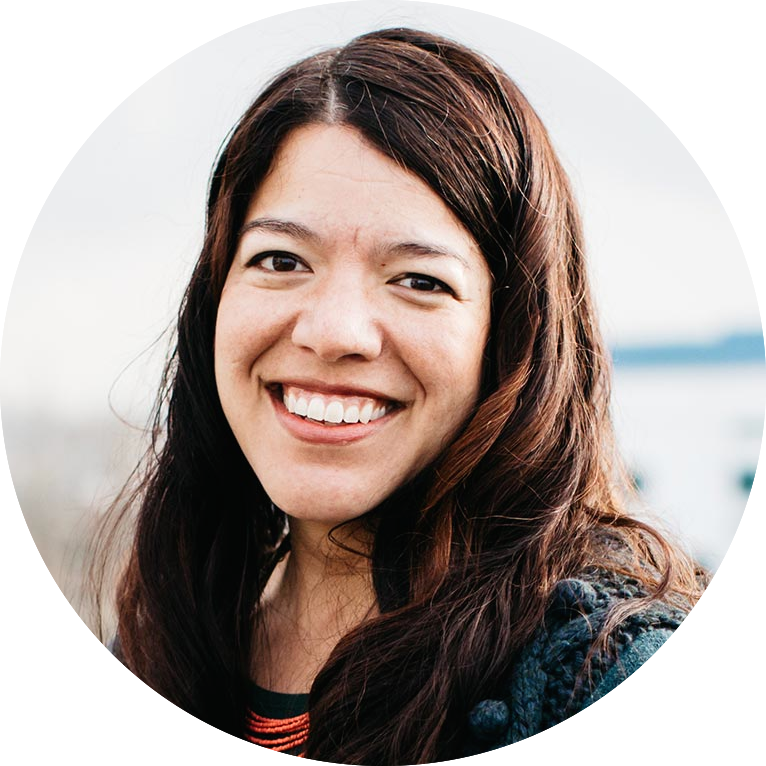
Abby
Consultant
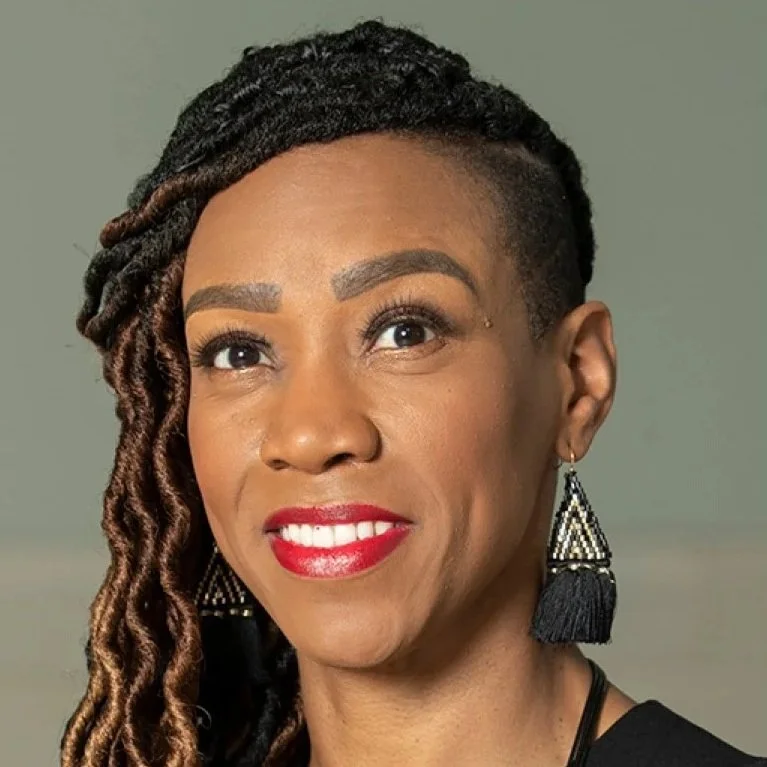
Starlette
Consultant
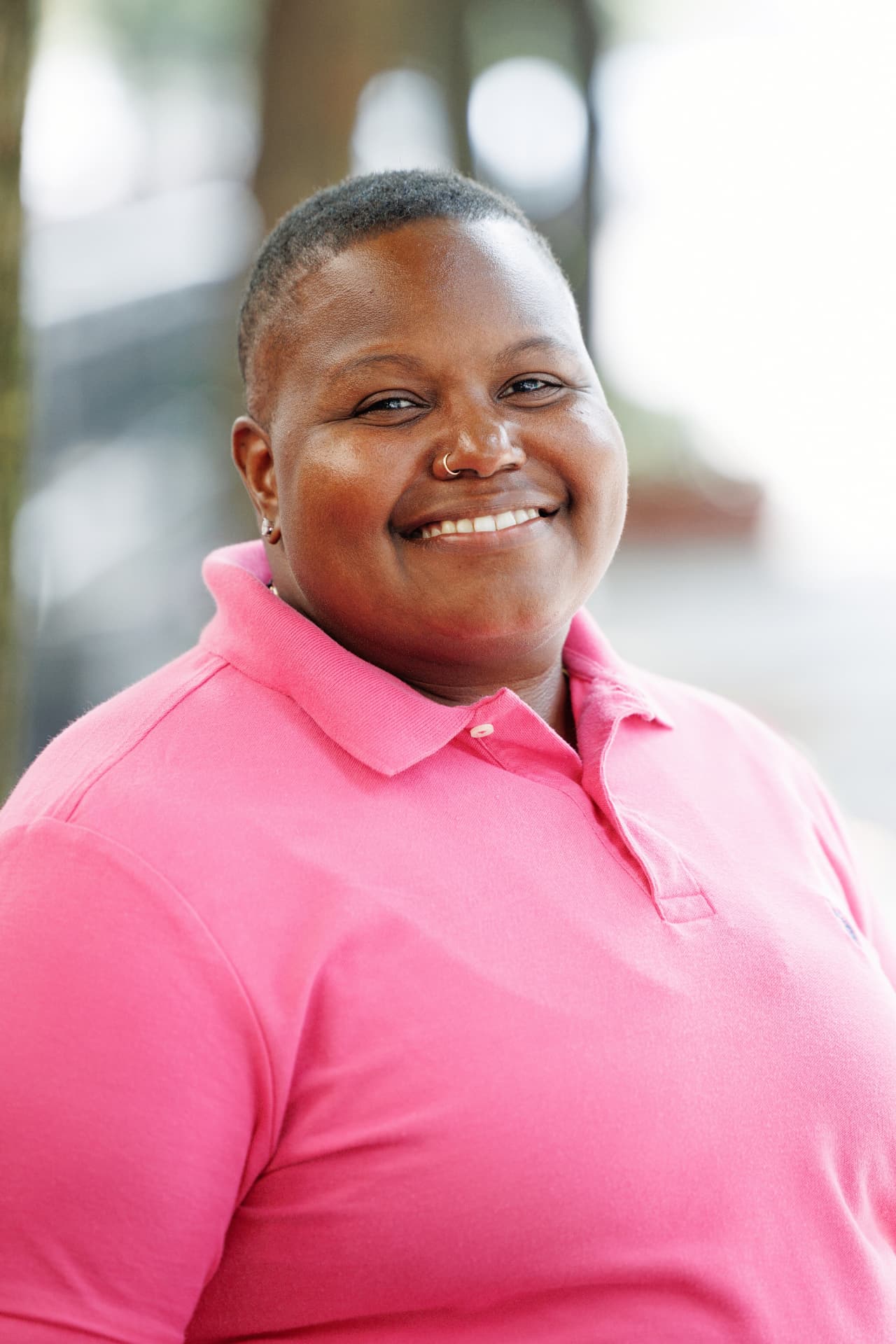
Dr. T
Founder of the S.E.E.N.A. framework
Pilgrimage sign-up
Step into the journey.
You do not need to have everything figured out. But you do need a willingness to see, to listen, and to be changed.
If you are ready to move beyond simply talking about transformation and into a deeper practice of accountability, we invite you to explore an Alchemizing Whiteness pilgrimage with The 2045 Project.
Registration details are coming soon. Stay connected with The 2045 Project.
Who we look to
We look to Resmaa Menakem, Lewis Gordon, and Vanessa Machado de Oliveira.
- Resmaa MenakemMy Grandmother’s Hands
- Lewis GordonFear of Black Consciousness
- Vanessa Machado de OliveiraHospicing Modernity